

Why Growth Teams Shouldn’t Wait for AI-Ready Data to Chase Pipeline
Yehonatan Hahn, VP of Growth at Ascendx, on matching data work to a company’s maturity and ending credit fights between marketing and sales.
Interviews and Commentary About Sales Strategy & Revenue Growth Insights from Top B2B Thought Leaders
Yehonatan Hahn, VP of Growth at Ascendx, on matching data work to a company’s maturity and ending credit fights between marketing and sales.

Glenn Haertel, Chief Revenue Officer and Global Head of Sales at memoryBlue, explains why international expansion gets expensive when companies hire before validating the market.

Global sales leader Kate Futch on the bleed-over, buyer progress, and qualification discipline behind a credible pipeline.

From onboarding to the first quarterly strategy session, the first three months of an outsourced SDR program follow a sequence. Knowing it tells a buyer what to expect, what to ask for and when to worry.

Silas Simon, VP of GTM at Zilliz and former Vice President of Sales for the Americas at Druva, on testing whether pipeline is real and why bloated coverage costs sellers the support they need.

Smita Wadhawan, former Global CMO at Constant Contact, explains why small business buyers act like consumers and how shared sales data shows which channels pay off.

Brad Habansky, Chief Sales Officer at Pipe17, shares how win/loss data helps growing sales teams narrow their ICP and build an annual plan in a couple of hours.

What SDRs, BDRs and ADRs each do, how they're measured and how to tell when a sales team needs someone to own the stretch after the first meeting.

A line-by-line look at what an in-house SDR costs in 2026, how turnover changes the math and how to compare it with an outsourced seat.

Adam Goebel, Founder of Gateway Technology Advisors, examines why deals die inside buying committees even after the technical buyer is convinced.

What to expect week by week in the first 90 days of an outsourced SDR program, and why judging it on month-one meetings is the most common mistake.

What the 2026 data says about cold calling, the benchmarks to measure against and the habits behind teams that book meetings by phone

A buyer's guide for revenue leaders evaluating sales development partners

Salary is the smallest line in the build-versus-buy decision. Here is the full math revenue leaders should run before choosing how to staff sales development.

Noesis' Ricardo Rocha on using AI to turn proprietary customer data into account-level intelligence that helps AEs prioritize targets and unstick deals.

Aurelien Mottier, President of memoryBlue, on why a founder's early wins look like product-market fit, why they don't transfer to a hired team, and the order of hires that builds a motion that does.

Salespeople interview well by default. Kaizan's Scott Boocock shares the task-based process that separates real substance from smoke and mirrors.

Diego Mariz, Director of Business Development LATAM at Payoneer, on the institutional trust and stakeholder dynamics that reshape a Latin America go-to-market motion.

Hipatia Preis, Head of Revenue Operations & Data at Eque2, describes how tracing the revenue process from quote to cash shows leaders where a shortfall originates before they invest in more pipeline.

Kevin Torf, Managing Partner at T2 Group, on why health systems commit the budget before they research vendors, and how to be in the room before the search begins.
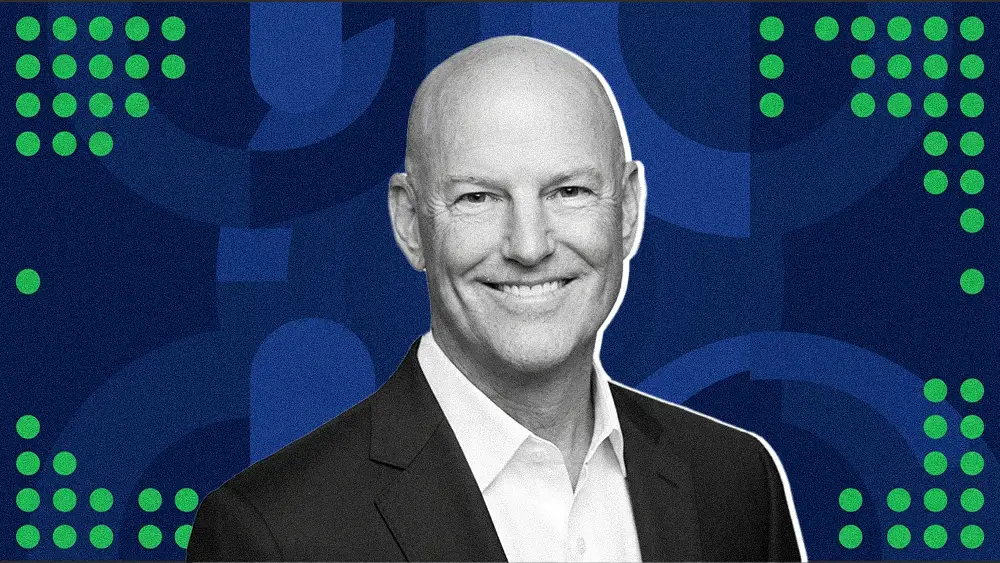
Chris Mills, CRO of ID.me, on the pipeline, conversion, and ratio math that tells a revenue leader when adding salespeople will actually pay off.
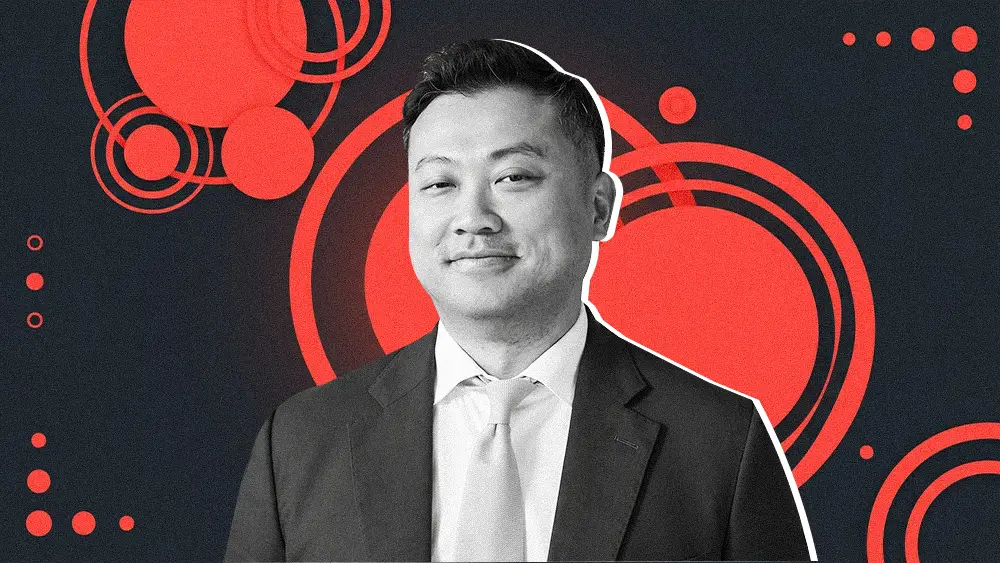
Robin Chiang, Chief Growth Officer at OpenTable, on what a 48-hour buying window teaches revenue teams about funnel design, personalization, and taste as the edge.
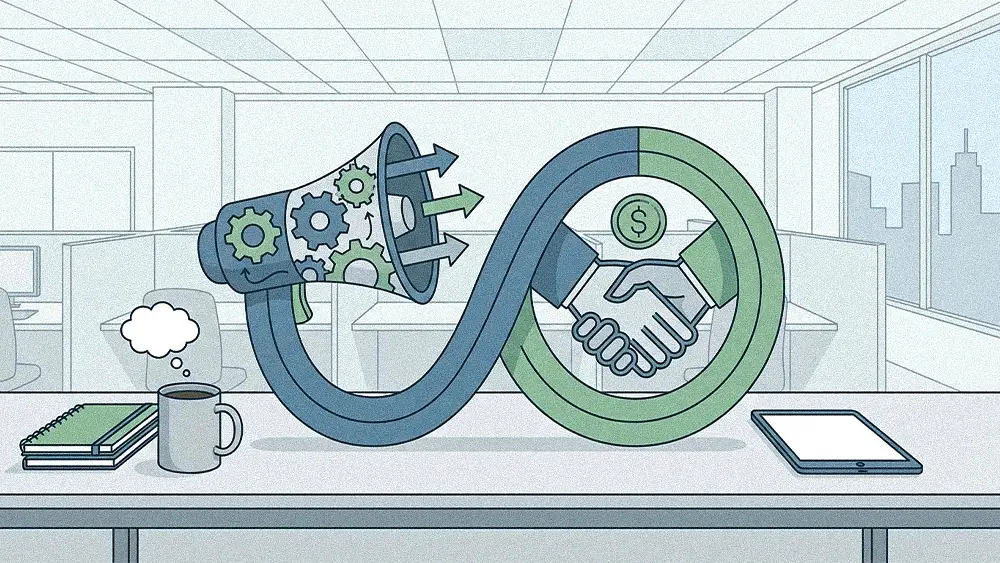
Ksenia Burn, Marketing Director International at Voximplant, explains why sales and marketing reading the same CRM still reach opposite conclusions.

Revefi's Girish Bhat argues cost per lead misses what enterprise events actually buy: access to the buying committees that move deals. His method starts six months out.

Your pipeline says demand is up. Your reps say nothing is converting. Both might be telling the truth.

LaShanda Jackson, Founder and CEO of No Ceiling Collective, shares why fewer events done exceptionally well produce more pipeline than a packed calendar without the systems to follow through.

Jeffrey Rufus, Head of Growth at Where's Wade, explains why growth leadership in 2026 is about systems architecture rather than channel optimization, urging CEOs to embrace the friction required to unlock revenue.

B2B buyers form their vendor shortlist within 48-72 hours of starting active research. If you're not in the conversation during hours 0-24, you're probably not making the cut.
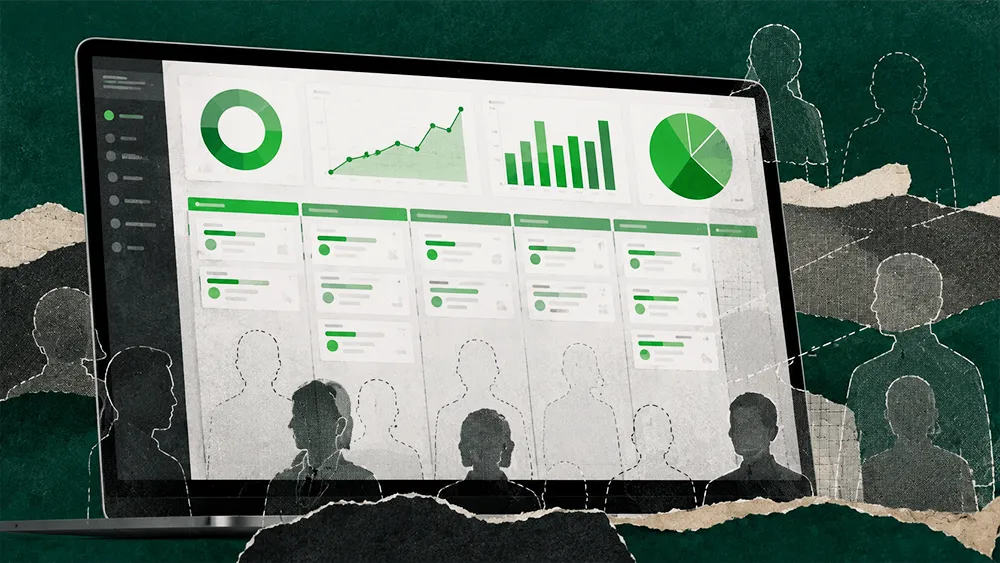
Ginna Santy, Executive Director of Women in Revenue, on why equity and revenue growth are the same priority in an AI-enabled organization.

znt-Richter Head of Sales Asia Louis Loh explains why buyers need to meet the delivery team before they compare bids.

Taylour Scanlin, Marketing Manager at Miracle, shares why marketing teams handed a revenue number need access to the pricing, product, and service decisions that shape it.
memoryBlue Global Head of Demand Generation Catarina Hoch explains why US go-to-market motions fail in European markets and how revenue leaders can validate regional demand before committing to a full expansion.

Doug Norton, a Limited Partner at Success Venture Partners, explains how customer success teams turn AI and pipeline discipline into measurable expansion revenue.

memoryBlue Senior Delivery Managers Callum Mercer and Tom Morley on the reporting depth, brand risk, and expansion opportunities that define enterprise account delivery.

Aurelien Mottier, President of memoryBlue, on the hidden costs of internal SDR teams, the empty-seat pipeline problem, and the discipline required for successful outbound.

For the first time in Gong's research, revenue leaders would rather make the team they have more valuable than make it bigger, and AI users are already 77% ahead per rep.

Forrester projects a $10 billion hit from ungoverned AI this year, and the companies treating governance as a sales advantage will be the ones collecting it.

memoryBlue Senior Public Sector Account Executive Connor Healey on why commercial playbooks fail in government and what precision-first outbound looks like.

With Gartner projecting $15 trillion in agent-mediated B2B spend by 2028, the buying process is splitting into a machine screen and a human screen, and winning now requires both.

CRM veteran Milica Markovic explains why lifecycle teams that lead with strategic logic outperform those that lead with tools, no matter how advanced the stack.

The number of companies offering outsourced SDR services has grown dramatically, but the factors that determine whether an engagement builds pipeline or burns budget aren't visible from a capabilities page.

Catarina Hoch, Global Head of Marketing as a Service at memoryBlue, on aligning marketing, sales, and SDRs around shared revenue accountability as automation reshapes GTM.

We lead with news, data, and what it means for your number. We're opinionated when the numbers back it up. And we'll tell you when a tactic everyone's praising won't actually move your pipeline.

Lawrence Roberts, Senior Global Manager for Strategic GTM Enablement at TD SYNNEX, explains why enterprise AI deals now hinge on governance and compliance fluency as opposed to feature set.

Enterprise sales veteran Vittoria Nicastro explains why platform consolidation, subscription economics, and ecosystem depth are replacing point solutions as the dominant growth strategy.

Dhivya Venkatesan, Head of GTM at Signeasy, on targeting the SMB and mid-market buyers CLM vendors overlook.

Hannah Allen, Senior Managing Director at memoryBlue, breaks down why cultural buying behavior determines whether B2B companies scale or stall in new international markets.

Alex Distadio, Vice President of Global Publisher Development at Doceree, explains why publishers must pivot to a content factory model and leverage first-party data to survive the AI-driven traffic plunge.

Joel Eilat, Product Growth Consultant and Owner of Everything Product, explains why over-indexing on churn undermines the PLG and retention strategies modern B2B SaaS actually needs.

memoryBlue President Aurelien Mottier explains why the growth-at-all-costs era is dead, urging revenue leaders to trade reckless scaling for disciplined, ROI-validated GTM pilots.

Derek Caramella, VP and Marketing Data Analysis Manager at Citizens, discusses how marketers can use consistent behavioral baselines when personalization isn't an option.

Sam Faillace, VP of Marketing at Paramark, makes the case that generosity and patience supported by disciplined AI automation are the real pipeline engines in an era where every brand sounds the same.

Andreas Wernicke, Founder and Chief Context Officer of Snowball, argues that context is king when it comes to AI personalization at scale, and it's up to GTM engineers to go beyond automation to build relationships.

Nick Malekos, Head of Demand Gen & Growth at Cyberbit, explains why growth roles fail when hired as rescuers, urging leaders to trade rigid attribution for an experimentation-first mindset.

ClearPath CX Founder Mark Bernardin explains why successful account recovery requires trading reactive firefighting for stakeholder alignment and long-term program resiliency.

OpenBrand VP of Marketing Sidney Waterfall explains why reliable growth requires an operational foundation of retention, shared revenue goals, and data-backed processes over tactical short-term motion.
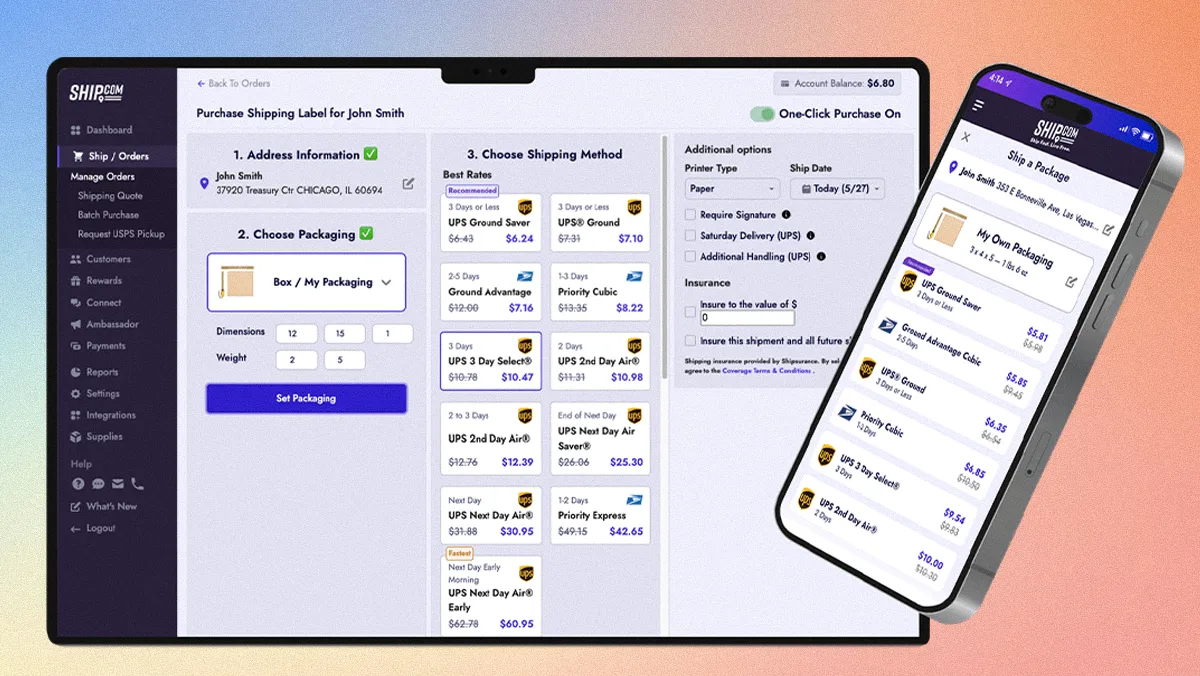
Kenneth Parkja, Head of Sales and Marketing at Ship.com, explains why marketing must function as a high-accountability revenue engine, using GTM engineering to align brand efforts with sales-driven profit.

Ginna Santy, Executive Director of Women in Revenue, reveals how decoupling work from physical presence creates a flatter, more equitable path to leadership

Gilbert Ramirez Jr., Brand Marketing Manager at Everest Ice and Water Systems, says one of the biggest hurdles to growth is chasing the next campaign without fully understanding the last one.
memoryBlue Global Ops Director Hannah Allen reveals why the "more is more" sales model is failing and how to pivot SDR teams toward high-intent, revenue-ready pipeline.

PeoplePartners Head of Marketing Andrea Toribio explains why modern marketing leaders must trade the "checklist mentality" for strict budget intentionality and data-backed revenue ownership.

Carolyn Branco, fractional CMO at Startup Growth Factory, says most pipeline problems trace back to slow response times, broken lead routing, and AI-powered outreach deployed without a clear targeting strategy.

Egine Nalbandian, Head of Marketing at Sardina Systems, explains how the now-flipped B2B funnel reshapes go-to-market strategy and why human connection still wins.

CRO Joseph Daee explains how volatile AI compute costs and commoditized features are shifting enterprise vendors away from paying for access and toward outcome-driven models anchored by hard ROI.

Hassan Ferozpurwala, Marketing Operations lead at Mem0, explains why the best GTM teams earn their automation by doing the hard work first.
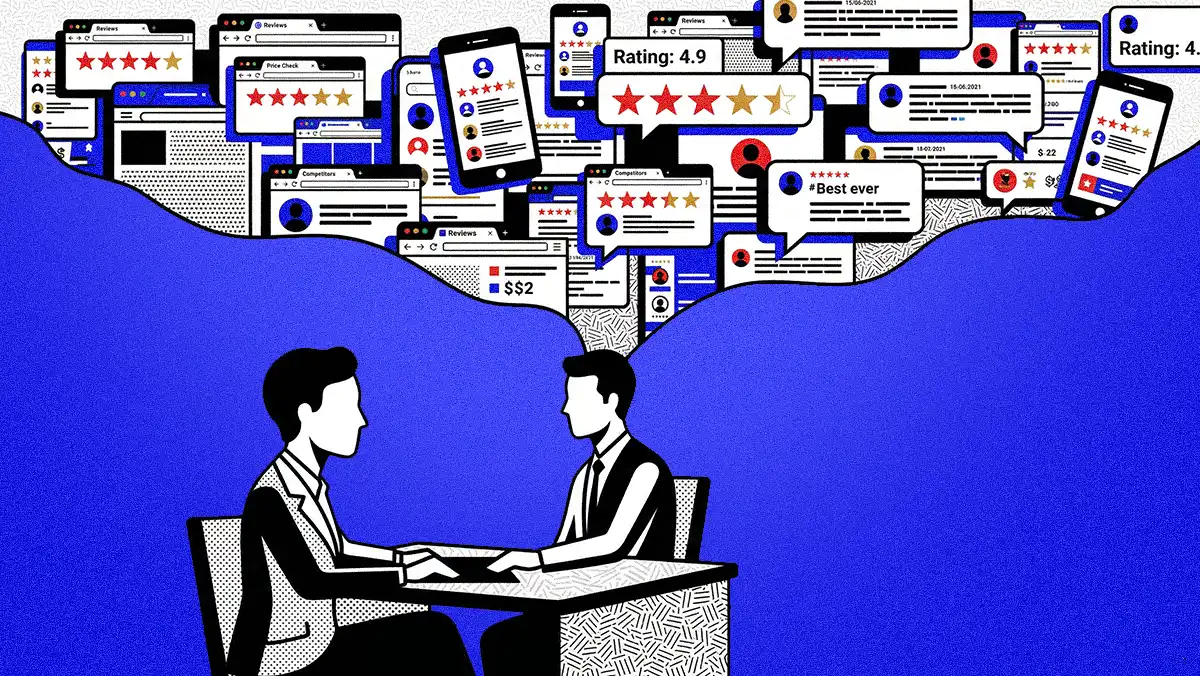
Aurelien Mottier, President of memoryBlue, outlines how to shift from volume-based pitching to data-backed validation while mastering multi-threaded buying committees.

Poorly managed Market Development Fund programs quietly drain revenue. Kenneth Fox, Co-Founder and CTO of Channelscaler, explains how companies can design programs that turn MDF spending into measurable growth.

Matt Oess, Revenue Growth Partner at TechCXO and founder of Revenue Growth Agent, on building a new, AI-driven system to align teams, cut through the clutter, and grow revenue.

By the year's end, 80% of teams will use AI to split retention from expansion, using hard financial data to earn a seat at the leadership table.

The average B2B sales rep used to take 112 days to reach full quota attainment. Enterprise teams using AI-powered onboarding are doing it in 37.

Marketing budgets have flatlined at 7.7% of company revenue. CMOs are being asked to lead the AI transformation anyway.

Bain & Company published the obituary, even if the headline was diplomatic: "Per-Seat Software Pricing Isn't Dead, but New Models Are Gaining Steam."

The fintech dealmaking era of growth-at-all-costs is over. The era of systematic industry restructuring has begun.