
All articles
Strategic Logic Separates Lifecycle Teams That Drive Revenue From Those That Automate Noise
CRM veteran Milica Markovic explains why lifecycle teams that lead with strategic logic outperform those that lead with tools, no matter how advanced the stack.
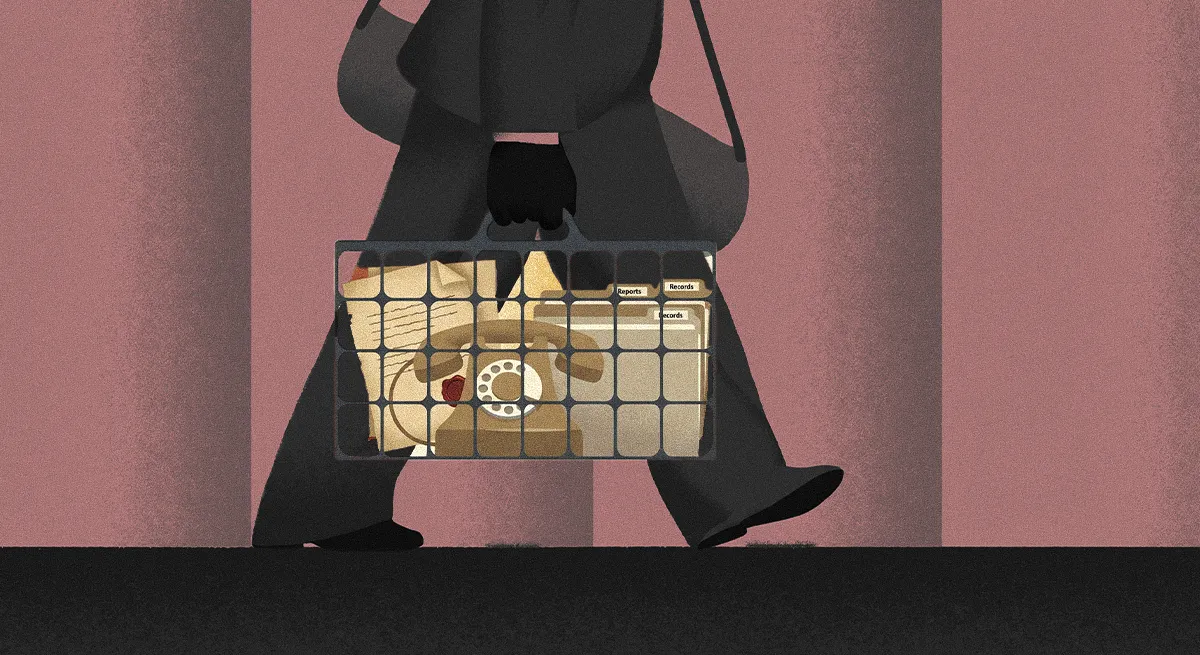
You can have the best tool in the world, but if you don't have the logic behind it, if you don't understand the customers, if you don't know who your target group is, you are not going to be successful.

Customer lifecycle leaders have access to more technology than at any point in the history of the discipline. Capabilities like real-time personalization, omnichannel orchestration, and predictive analytics are real and expanding weekly, but capability without logic produces volume, not value. Teams that automate without understanding who they're talking to, why, and what the customer actually needs at each stage of the journey end up shipping more content into more channels with diminishing returns. Though the tools are the brightest they've ever been, the thinking behind them hasn't kept pace.
Milica Markovic is a Customer Lifecycle and CRM Leader with over a decade of experience building and scaling automated engagement systems across telco, automotive parts, fintech, and consumer subscription businesses. She has led CRM teams at organizations ranging from lean startups to large enterprises, building tools from scratch when none existed and navigating the enterprise procurement and integration challenges that slow adoption at scale today. Her approach starts from a philosophy that the system only performs as well as the thinking that designed it.
"You can have the best tool in the world, but if you don't have the logic behind it, if you don't understand the customers, if you don't know who your target group is, you are not going to be successful," Markovic says. The conviction that logic precedes tooling runs through every system she builds and every team she coaches.
The shelf life of optimized content
Markovic says a big problem most lifecycle teams haven't reckoned with yet is that AI-optimized content performs well initially, then engagement dips. When systems consistently select the best-performing language, subject lines, and value propositions, the output becomes repetitive. The optimization loop narrows the content until the customer has heard the same message repackaged five different ways. "If you're optimizing for the perfect content with the perfect language and the best-performing topic, you keep on repeating yourself. It works for the first five or ten sequences of communication, and then engagement starts dropping."
For Markovic, the implication is that the lifecycle leader's job is to discern what should be automated, what should stay human, and where to invest creative energy for maximum impact. "What's going to be the biggest task for a lifecycle person is deciding how to make my life easier with automation and where to put my effort into the right things that are actually going to move the needle."
Scaling through logic rather than volume
Her clearest proof point is a fully automated omnichannel journey she built at a previous company. It spanned seven channels managed through a single Google Doc. Roughly 90% of the content was centralized and designed to repeat thoughtfully across sends, while about 10% was tailored each week to reflect the current topic or campaign. Templates for header, footer, banner, CTAs, and recommendations were standardized, and the team changed only the key elements: subject line, main message, and banner copy. "We didn't make the template from scratch every week," Markovic recalls. "We had one automated template and just changed the elements in it and what content those elements pulled, and every customer received a unique message."
The uniqueness came from layered segmentation. Markovic distinguishes between macro segmentation (broad audience groups), micro segmentation (behavioral and contextual subsets), and personalization (individual-level recommendations powered by engines that adapt product, discount, offer, or price per customer). "When people talk about segmentation, they think you divide the customer base into five or ten groups. That's high-level segmentation," she explains. "You can have fifty different types of segmentations with ten segments each. True one-to-one personalization comes from putting multiple segmentations together with a recommendation engine."
The abandoned cart is a universe
Markovic uses abandoned cart as her sharpest tactical example of how most teams underutilize the data they already have. The standard approach of one email and maybe one follow-up treats the event as a single touchpoint. She treats it as the entry into an entire engagement universe. "You now have their email and their phone number. They're visiting the page, they're returning, they're googling you. You can send the whole funnel of communication. You can target them when they're back on the page, drop a pop-up, show them the product they viewed, suggest similar products, or offer to call them."
At a car parts company where she led CRM, the team expanded the abandoned cart journey to include on-site retargeting, contextual pop-ups, and outbound phone support for customers who needed help choosing the right product. The result was a jump in returning customers from 40% to 70%. "It's about understanding why they dropped off and building the whole world around it rather than sending one email and calling it done," she says.
Trust is the new currency
As AI-generated messaging floods every channel and new competitors emerge constantly, Markovic sees customer trust becoming the defining competitive advantage for lifecycle teams. "With AI advancements in design and content, it's easier than ever to make a company look perfect, and it's difficult for customers to understand which company actually delivers high quality," she says. "When customers use the product or service and their experience is subpar, they will voice it with people in their environment, on Reddit, on social media, and sometimes with regulators." In this environment, brands that promise something and consistently deliver it will hold attention. Those that blast optimized content without honesty or relevance will lose ground. "Maintaining trust and fixing reputation when it's hurt is going to be the path going forward."
In parallel, the way that brands communicate is changing, as well. Communication carries more social context, with brands addressing the good and the bad and interacting with individual customers rather than just the masses. CLM, she says, becomes the extension of that communication, and the lifecycle leaders who outperform will be the ones who understand this. "It's the most personal form of marketing. It has to tap into improving the customer experience, creating a sense of community, and assuring early-on leads that the business they are interacting with is legit."
The views and opinions expressed are those of Milica Markovic and do not represent the official policy or position of any organization.

.webp)