
All articles
Sales Leaders Answer Discount Pressure By Putting Delivery Teams In Front Of Buyers Early
znt-Richter Head of Sales Asia Louis Loh explains why buyers need to meet the delivery team before they compare bids.
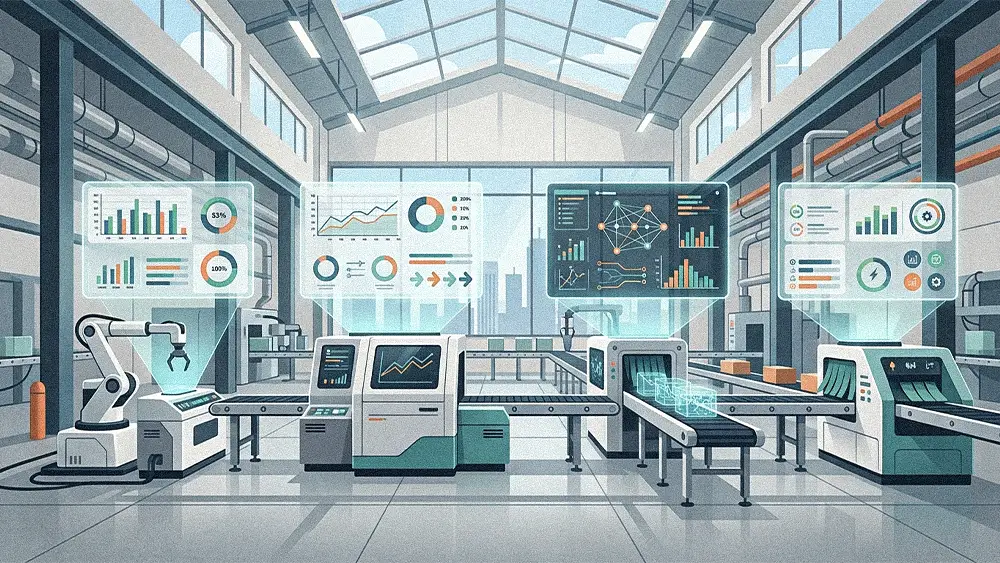
They realize they worked with the wrong vendor, but they've already learned a painful lesson, and they don't have enough budget to start again.

Buyers who pick a vendor on price often pay for the same project twice. Procurement asks for a discount, the lowest bid wins, and two years later the system isn't doing what it was bought to do. Those buyers start shopping again, with most of their money already spent on the first attempt.
Louis Loh is Head of Sales Asia at znt-Richter, a German firm that implements Siemens Opcenter manufacturing execution systems for semiconductor, electronics, and medical device manufacturers. He spent more than a decade in front-end semiconductors before moving into software, and has held sales leadership roles at Dassault Systèmes, Rockwell Automation, and Critical Manufacturing.
"What matters most is who implements the MES project," Loh says. An MES tracks what gets built, when, with which materials, on which machines. Configuring one means matching the software to how a specific plant runs, and buyers have no good way to judge that capability before they sign. Price is the one thing every bid states clearly.
Return traffic
Configuring one of these systems for a specific factory takes people who've run the process before, and a vendor who won on price rarely has them. "MES is pretty easy to install, but configuring it to your manufacturing processes needs subject matter experts and industrial experience," Loh says. The project runs long while the vendor's team learns the factory. Buyers rarely catch this during an evaluation. Manufacturers spent the last 20 years putting their money into ERP, and most have never bought a shop floor system before.
Loh hears from the buyers who chose someone else. "They realize they worked with the wrong vendor, but they've already learned a painful lesson, and they don't have enough budget to start again," he notes. The second project is a repair job. The incoming vendor takes over a half-configured system and a sponsor who has to justify the same purchase twice.
Missing stakeholders
Most of what pushes these projects past their timeline starts on the buyer's side. End users miss working sessions because their day jobs come first, and equipment ordered for the line arrives months late, with integration waiting on it. On one electronics program, the customer changed the identifier it wanted to trace parts by twice inside three months, and the production flow had to be rebuilt each time. Project managers document changes like these as they happen and the customer signs off on them. When the schedule slips, procurement still comes back to ask why the vendor missed the date it quoted.
Procurement signs the contract, but delivery depends on people who never sat in those meetings. A system like this reaches executives, plant managers, supervisors, and the operators running the machines, and each group has to say what it needs before the build starts. "We need to understand all their needs before we start a project," Loh says. Most deals close before anyone asks them, which leaves the seller building consensus after the money is committed.
Selling the team
Most of Loh's time with a prospect goes into education, and part of that is being direct about what the commitment involves. These systems carry a cost that continues past go-live, since version upgrades and enhancements come around every few years. Buyers new to the category tend to price it as a one-time purchase. That correction is harder to deliver as more of the evaluation happens without a seller present, which puts a premium on getting into the process early.
Loh brings the implementation team into the evaluation so buyers can hear how they talk about a factory floor. "It boils down to an emotional decision. Whether you're comfortable with the brand, and comfortable with the team," he adds. Proposals don't show what a delivery team can do. Meeting them gives buyers something to judge besides price.
Data before AI
Manufacturers are putting a growing share of their smart manufacturing budgets toward automation and analytics, and many of those conversations open with money already approved. Loh visits the shop floor before answering, and what he usually finds underneath is consolidated spreadsheets and readings entered by hand. Most manufacturers aren't ready to run AI on records like that. He walks customers through a sequence that starts with connecting the equipment and the people, moves to integrating what comes back into one source, and only then turns to prediction.
Small errors in those manual records carry forward. "Even one to two percent of errors will create discrepancies once you turn to AI," Loh says. Executives and operators both act on what comes out, and nobody's settled who answers for it when the output is wrong. The same data readiness gap shows up in revenue organizations rolling out AI on top of records nobody's cleaned.
Manufacturers who fix the data first get a return on the next system they buy. Loh puts the cost of doing nothing in front of decision makers who are still weighing the investment. "You're producing by guessing and hoping that nothing happens," he says.

.webp)